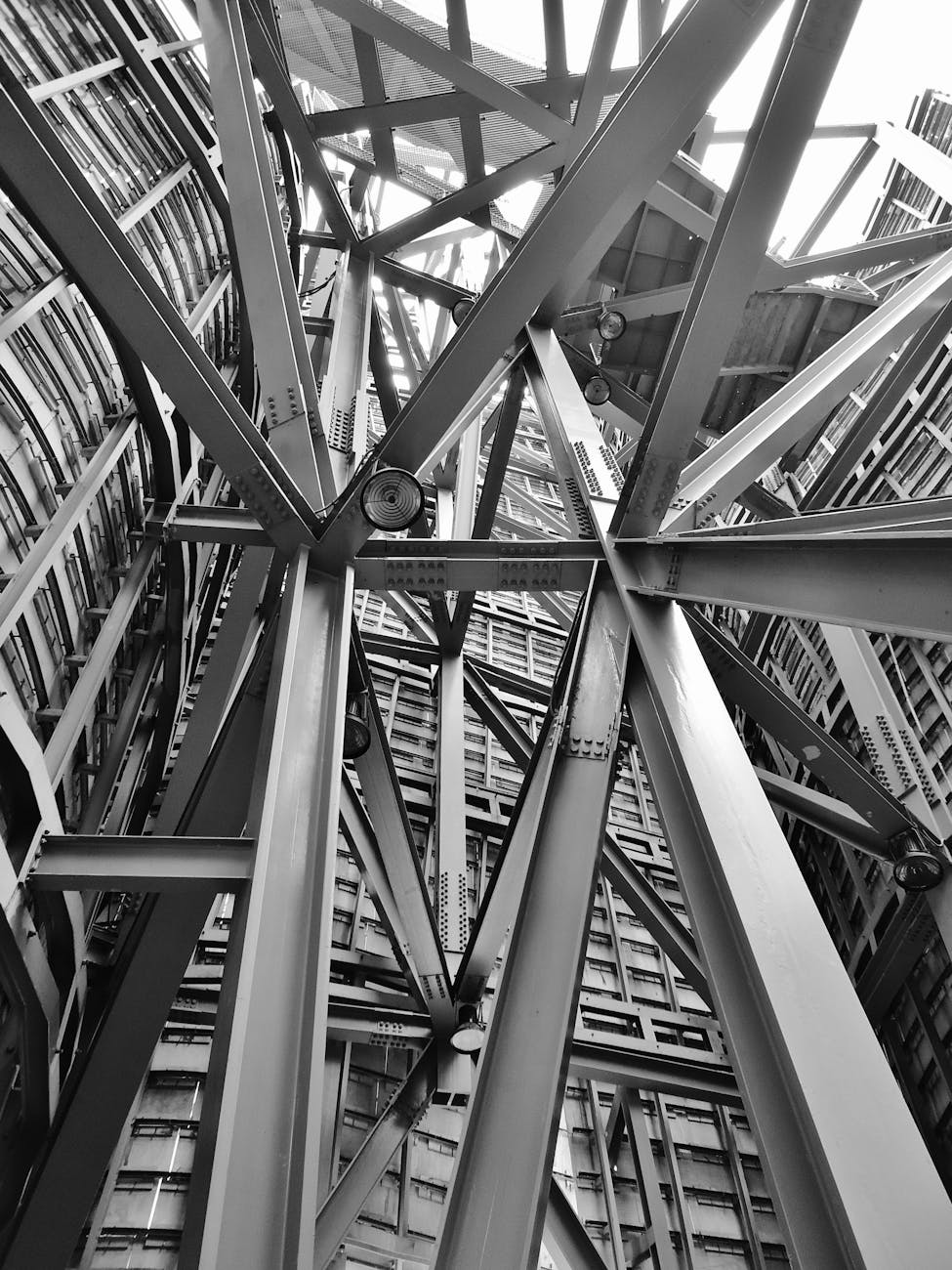
Steel structures offer far more than just robust framing. Advancements in technology, sustainability efforts, and innovative design are transforming steel buildings into smart, efficient, and eco-friendly solutions that meet the diverse needs of residential, commercial, agricultural, and aviation sectors alike.
The Strength That Endures
One of the primary reasons steel remains a leading building material is its exceptional strength-to-weight ratio. Modern steel framing systems provide unmatched structural integrity, allowing for clear-span designs with vast column-free interiors. This feature is particularly advantageous in applications like aircraft hangars, equestrian centers, and flexible warehouse spaces where open floor plans are essential.
Additionally, steel’s inherent resistance to pests, fire, and extreme weather conditions ensures that buildings stand the test of time with minimal maintenance, offering long-term value to property owners and developers.
Sustainability Takes Center Stage
The construction industry is under increasing pressure to reduce its environmental impact, and steel is rising to the challenge. Today’s steel manufacturing processes are embracing greener technologies, such as hydrogen-based direct reduction and electric arc furnace (EAF) recycling, drastically lowering carbon emissions compared to traditional methods.
Recycled steel content in building components further enhances sustainability, with most steel used in construction containing upwards of 90% recycled material. This circular economy approach reduces waste and conserves natural resources.
Choosing steel buildings aligns with modern sustainability goals without compromising performance or aesthetics.
Innovation in Design and Fabrication
Modern steel buildings benefit from cutting-edge design software and prefabrication techniques. Digital modeling allows for precise engineering, minimizing errors and accelerating project timelines. Prefabricated steel components are manufactured offsite under controlled conditions, ensuring quality and reducing on-site labor and waste.
Automation and AI-driven technologies are also being integrated into steel fabrication and assembly processes, enhancing efficiency and safety while providing real-time project tracking and quality control.
Versatility for Diverse Applications
Steel buildings today serve a wide array of functions:
- Residential barndominiums combine rustic charm with modern efficiency and durability.
- Agricultural structures like barns and storage facilities benefit from steel’s low maintenance and resistance to the elements.
- Commercial flex spaces offer adaptable environments for growing businesses.
- Aviation hangars require large clear spans and high load capacities — steel delivers on both fronts.
This adaptability makes steel a go-to choice for contractors and clients seeking tailored solutions.
Steel buildings in the modern era represent the perfect fusion of strength, sustainability, and innovation. Whether you’re developing a custom home, an industrial warehouse, or a specialized agricultural facility, steel offers a reliable, eco-friendly foundation that stands up to today’s demands — and tomorrow’s challenges.
 Steel Contractors
Leave a comment