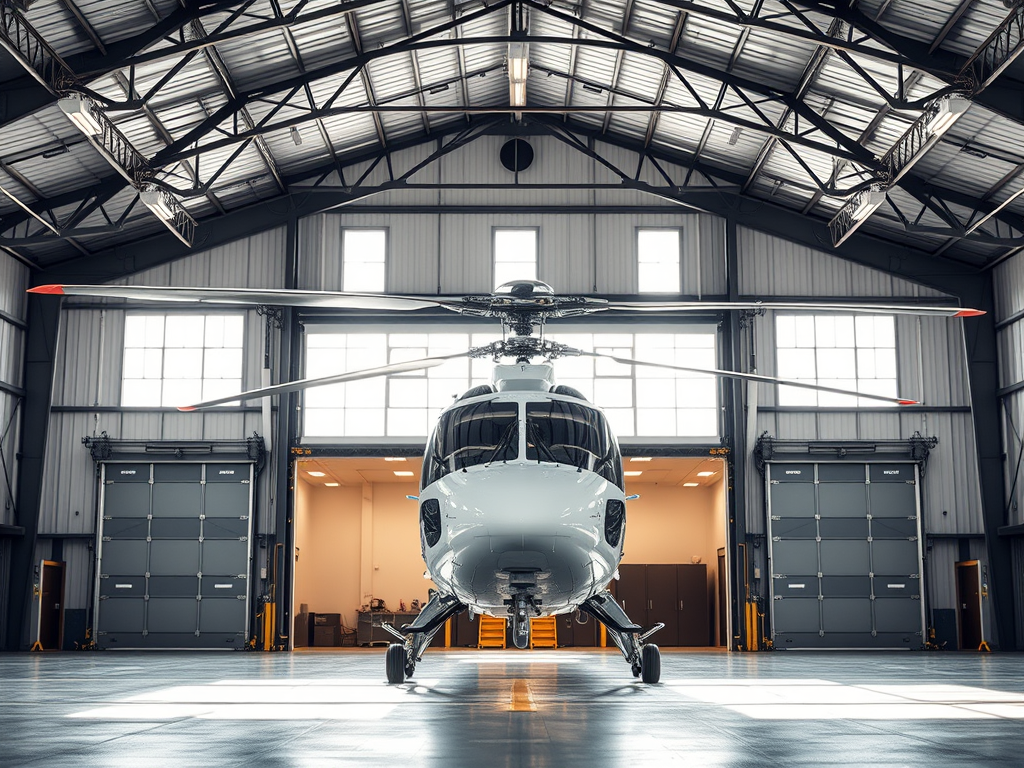
In aviation, time, reliability, and protection are everything. Whether you operate a single helicopter for agricultural or rescue use, or manage a fleet of fixed-wing aircraft for private, commercial, or charter services, the performance of your hangar directly impacts your operational readiness. Steel aircraft hangars have become the preferred choice for pilots, operators, and developers looking to maximize functionality, minimize downtime, and protect valuable assets year-round.
Built for Performance
Steel hangars are engineered with precision to meet the unique spatial and structural demands of aircraft storage. The clear-span design eliminates the need for internal columns, providing unobstructed space for aircraft movement, maintenance equipment, and vertical clearance. This is especially beneficial for helicopter operators who need quick ingress and egress or for larger aircraft that require wingtip clearance and open layout flexibility.
Additionally, steel’s strength-to-weight ratio ensures that your building can support wide openings for bi-fold or hydraulic doors, critical for accommodating wingspans and rotors. Whether you’re working with a Robinson R44 or a Gulfstream, the structural integrity of a steel hangar supports faster, safer access to your aircraft—day or night.
Faster Builds, Faster Launches
One of the most overlooked advantages of steel construction is its speed. Pre-engineered steel hangars can be fabricated off-site and erected on-site in a fraction of the time it takes to build traditional wood or block structures. That means your aircraft—and your operation—are sheltered and mission-ready faster.
For growing aviation businesses, this quick turnaround can mean the difference between losing and securing contracts, delaying new services, or compromising aircraft safety while waiting on construction to finish.
Efficiency on the Ground = Efficiency in the Air
Steel hangars improve ground operations by providing better workflow and space utilization. With customizable interiors, you can designate areas for mechanical work, storage, office use, or equipment housing—all within a climate-controlled, low-maintenance structure. This reduces the time spent moving aircraft between facilities, eliminates exposure to weather during pre-flight checks, and improves turnaround time for routine maintenance.
Additionally, modern insulation options and smart ventilation reduce heating and cooling costs, creating comfortable working conditions year-round without excessive energy bills.
Long-Term ROI for Aircraft Operators
Beyond day-to-day convenience, steel hangars offer serious long-term value. Their durability and resistance to corrosion, pests, mold, and fire mean fewer repairs and less downtime. A steel hangar also contributes to the resale value of your property and can be designed to expand as your fleet or service offerings grow.
The upfront investment is often more cost-effective than traditional materials when you factor in lifetime maintenance, insurance savings, and improved operational uptime.
Helicopters, Planes, and Beyond
Steel hangars aren’t just for fixed-wing aircraft—they’re ideal for helicopter operations as well. Quick deployments, overhead clearance, and rugged durability make steel the go-to option for law enforcement, medical, agricultural, and utility helicopter bases. Many helicopter operators also opt for hybrid hangars with built-in helipads, maintenance bays, and integrated crew quarters—all of which are easily accommodated with steel framing systems.
 Steel Contractors
Leave a comment