Steel vs Wood on the Farm
In today’s rapidly evolving agricultural world, the structures that support farms and ranches are expected to do more than ever before. From sheltering livestock to storing heavy equipment and managing feed or seed inventories, your buildings must be reliable, efficient, and adaptable. Steel buildings have quickly become the go-to solution for serious agricultural operations, offering a durable and long-lasting alternative to traditional wood or pole barns.
One of the most appealing qualities of steel in an agricultural setting is its ability to withstand harsh environmental conditions. Farms across the Rocky Mountain region deal with everything from heavy snow and high winds to dry heat and sudden temperature swings. Steel structures are engineered to hold up under these extremes without warping, cracking, or deteriorating. They’re also naturally resistant to fire, pests, and moisture—three of the biggest threats to conventional farm buildings.
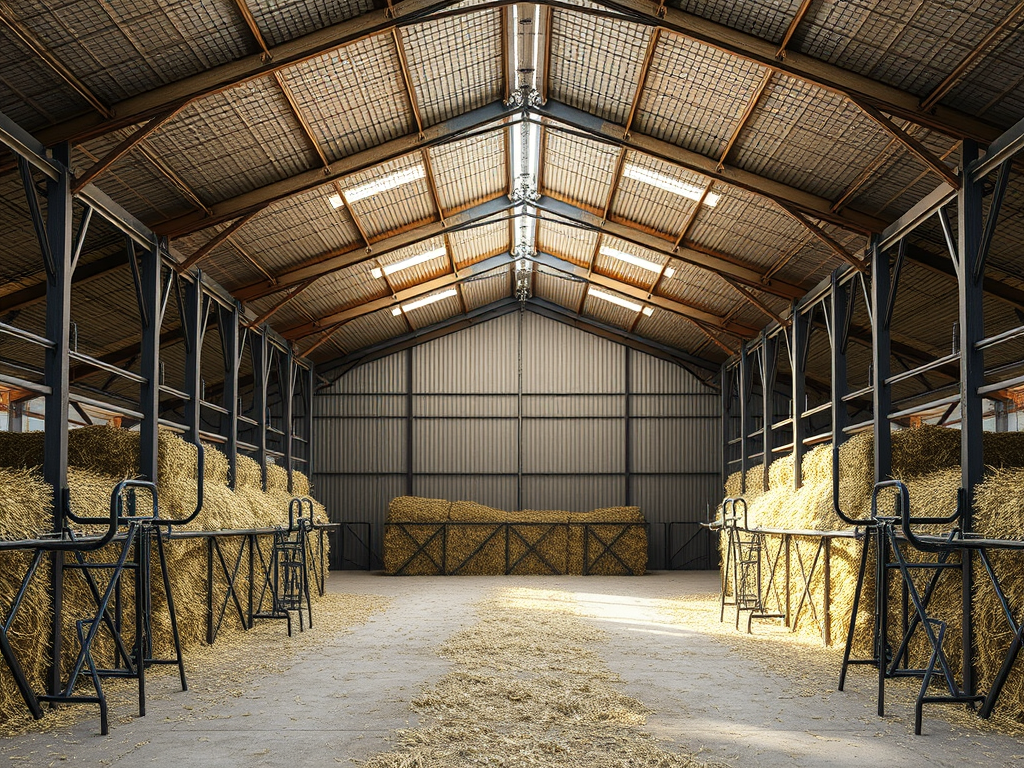
The open-span design of steel buildings makes them incredibly versatile. Without the need for interior support columns, farmers gain maximum usable space—ideal for maneuvering tractors, storing hay and feed, or creating modular spaces for livestock and equipment. Whether you need a machine shed, calving barn, feed storage, or a combination of all three, steel can accommodate the unique demands of your operation.
Another major advantage is the speed of construction. Because steel buildings are pre-engineered and fabricated off-site, they can be delivered and assembled on your land with minimal disruption to your daily work. That faster build time means less downtime and fewer labor costs. Over the long term, steel buildings require very little maintenance, saving you money on repairs and reducing the need for constant upkeep.
For those thinking about sustainability, steel is a smart investment. Not only is it one of the most recycled materials on the planet, but its energy efficiency and minimal material waste make it an environmentally responsible choice. Many modern agricultural steel buildings are made from recycled materials and can be insulated to help regulate interior temperatures—cutting down on energy costs and supporting long-term land stewardship goals.
Today’s steel buildings also offer plenty of flexibility in design. From simple open shelters to fully enclosed and climate-controlled workshops, steel structures can be tailored to meet the changing needs of your farm. Whether you’re expanding, diversifying, or modernizing your setup, steel offers a future-proof solution that’s built to grow with you.
 Steel Contractors
Leave a comment