President Trump’s recent decision to double down on steel tariffs has reignited conversations throughout the construction and manufacturing industries. Raising the existing Section 232 tariffs on imported steel and aluminum to 50%, the move is positioned as a strategy to protect American industry and restore long-term production strength. But for contractors, developers, and steel building manufacturers, the immediate implications are complex—and deeply felt.
For starters, the most immediate effect is a noticeable uptick in domestic steel prices. In the days following the tariff announcement, the cost of hot-rolled coil steel jumped significantly, putting pressure on manufacturers and builders alike. For those constructing with steel—be it in aviation, agriculture, commercial warehousing, or residential barndominiums—this change can affect everything from material bids to the feasibility of fixed-price contracts. The result is tighter margins for contractors and potentially higher costs for clients who are already navigating an expensive building climate.
Supply chain concerns also add to the uncertainty. While the United States produces a considerable portion of its own steel, a significant percentage—especially certain specialized grades—still comes from international suppliers. With the cost of imports now effectively doubled, many manufacturers are forced to rely more heavily on domestic mills. But those mills may not have the immediate capacity to fill the demand, creating potential delays for projects that depend on timely steel deliveries. This puts construction timelines at risk, particularly in industries like aviation or commercial development where speed-to-completion is critical.
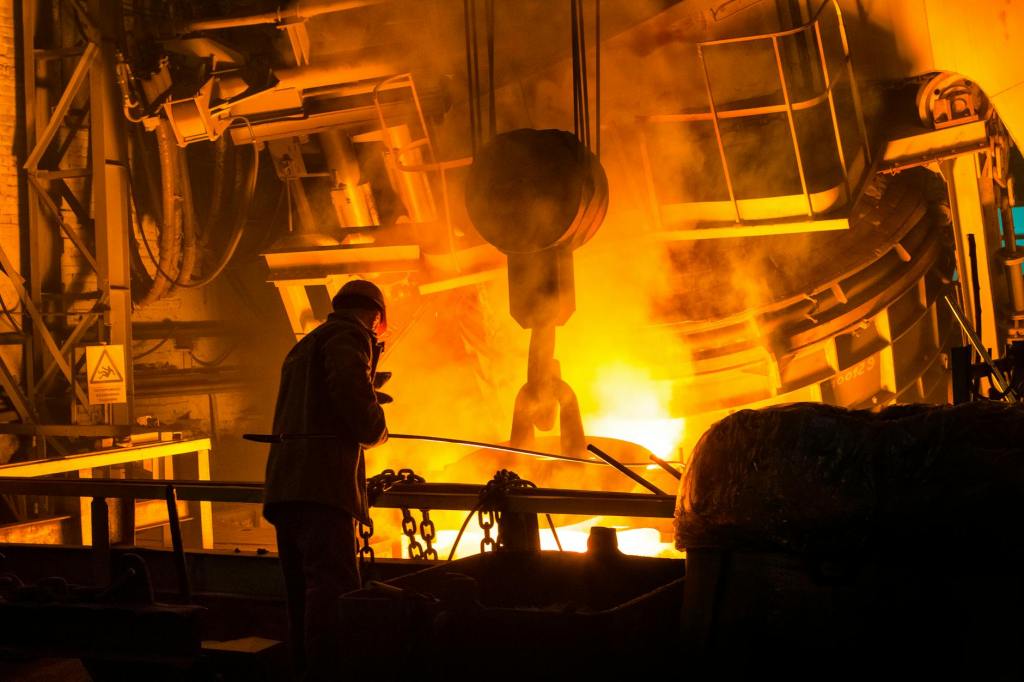
Despite these challenges, the new tariff policy is not without its upside. The long-term goal of the administration is to stimulate growth in U.S. steel manufacturing. Past tariffs have led to major investments in domestic production—resulting in new mill expansions and advanced facilities across the Midwest and South. Nucor, U.S. Steel (now partially owned by Japan’s Nippon Steel), and BlueScope are among the major players reinvesting in electric arc furnace technologies that produce steel more efficiently and with fewer emissions. Over time, this could lead to a more self-reliant, sustainable steel supply chain in the U.S.—a win for contractors who prioritize American-made materials and seek to stabilize costs in the future.
Still, in the short term, contractors and steel building professionals must make adjustments. From revising contracts to account for volatile pricing, to exploring domestic procurement partnerships and pre-purchasing steel, strategic planning is more essential than ever. Clients should be made aware of the fluid nature of steel costs, and project timelines may need to be padded to account for sourcing uncertainties.
Ultimately, Trump’s tariff expansion signals a desire to rebalance the global playing field and give American steelmakers a stronger foundation. But for the builders and manufacturers on the ground, it means navigating higher costs, supply constraints, and contract complexity—at least until domestic capacity can catch up to demand.
 Steel Contractors
Leave a comment