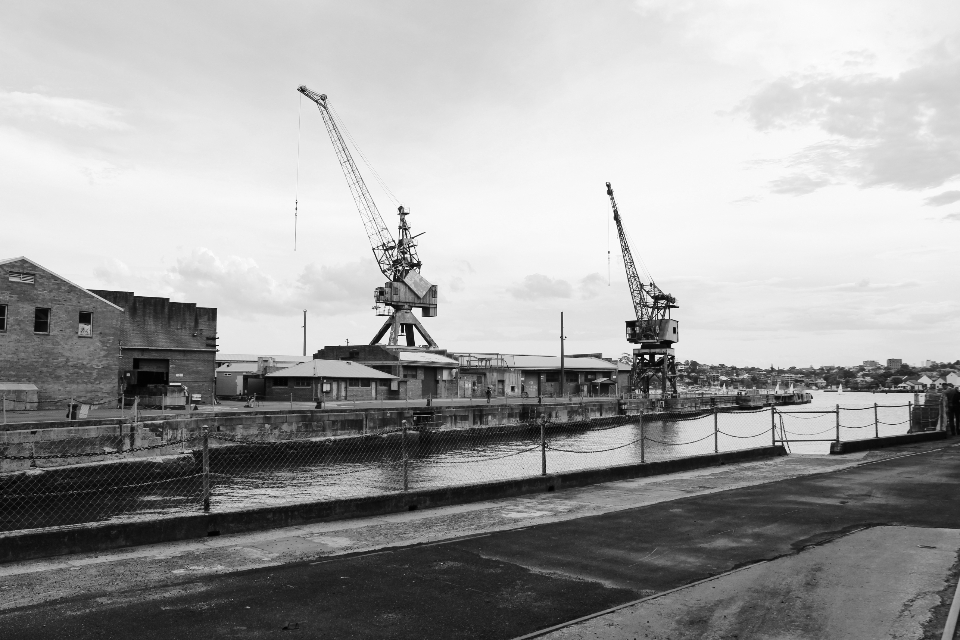
In 2025, steel construction has found itself entangled in a new kind of challenge—one that doesn’t originate from the job site, but rather from the high seas. The global shipping industry, once a background force quietly delivering raw materials and finished goods, has stepped into the spotlight. Its recent disruptions are shaking the core of steel supply chains, and the effects are being felt across construction projects worldwide.
In March, the U.S. government implemented a 25% tariff on imported steel and aluminum. The move was part of a broader trade recalibration strategy, but it quickly sent steel prices soaring across international markets. Steel isn’t just a commodity in shipping—it’s the foundation of it. From the hulls of container ships to the structure of ports and cranes, steel is omnipresent. The rising cost of this material now weighs heavily on the budgets of construction firms, many of which are forced to reevaluate their estimates and vendor agreements before any building can even begin.
These pricing pressures have been compounded by a series of disruptive events in global maritime shipping. In late 2024, a vessel transporting scrap steel collided with a lock gate on the Moselle River in Europe, leading to a prolonged shutdown of a major inland shipping corridor. This logjam delayed deliveries of raw materials to key German steel mills, highlighting the fragility of just-in-time supply chains.
Then, in March 2025, ArcelorMittal’s steel-laden cargo ship H&S Wisdom ran aground in the Humber Estuary in the United Kingdom. The vessel was carrying over 1,600 tonnes of structural steel destined for the UK construction market. The delay, lasting several weeks, caused major scheduling headaches for developers who had been depending on timely arrivals to keep their projects on track.
Perhaps the most dramatic event came closer to home: the collapse of the Francis Scott Key Bridge in Baltimore on March 26, 2024. A container ship, the Dali, lost power and collided with one of the bridge’s support piers, sending the structure into the Patapsco River and tragically killing six workers. This disaster didn’t just sever a vital regional transportation link—it halted operations at the Port of Baltimore, one of the U.S.’s key steel import terminals, for several weeks. The event underscored just how tightly intertwined steel infrastructure and global shipping logistics truly are.
In response, steel construction firms are being forced to adapt. Many have begun to lock in fixed-price contracts earlier in the project timeline to guard against volatile price swings. Others are shifting toward leaner structural designs or modular builds that require less raw steel overall. On the logistics side, companies are exploring alternative transportation methods—including rail and road—as backup strategies in case of shipping delays. Insurance for material shipping and contractual clauses addressing port delays are becoming the norm, not the exception.
The reconstruction of the Key Bridge itself has become a national case study in resilience. Maryland officials recently unveiled plans for a $1.7 billion replacement—a modern cable-stayed design made primarily from U.S.-sourced steel, featuring enhanced protection against maritime collisions. The project, slated for completion by 2028, represents not just a replacement of lost infrastructure, but a rethink of how we design and safeguard steel structures in an era of global uncertainty.
These events have made one thing clear: steel construction no longer operates in isolation. Every beam, truss, and support column might pass through a network of ports, rivers, and rail yards before it reaches the site. As the world becomes more interconnected, builders must broaden their strategic view—taking into account not only architectural and engineering requirements but also the complex, often fragile logistics systems that make steel construction possible in the first place.
Looking forward, construction professionals will need to collaborate more closely with shipping companies, port authorities, and policymakers. Together, they can build a more resilient system—one that not only withstands the pressures of trade policy and supply chain delays but also anticipates them.
 Steel Contractors
Leave a comment